Buenos Aires: Sensible Crypto Adoption or Meme Coin Mayhem?
Generated Title: Buenos Aires Crypto "Empowerment"? More Like a Slow-Motion Train Wreck
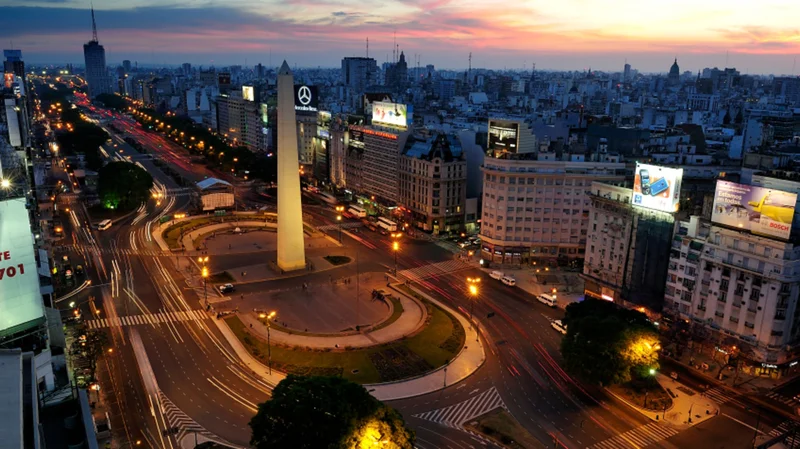
So, Binance and Buenos Aires are teaming up to "encourage sensible crypto adoption." Right. That's what they're calling it. Let's be real: it's a desperate attempt to look like they're doing something useful while the whole crypto house of cards teeters on the brink of collapse. And Argentina, with its inflation problem, is the perfect stage for this clown show.
Another Day, Another Crypto Ploy
"Crypto's advantages, such as financial inclusion, borderless transactions, and user empowerment, can only be fully realized when users understand how to manage them safely." Oh, give me a break. That's straight out of the corporate PR handbook. They're acting like crypto is some kind of public service, a benevolent tool for the unbanked masses. But let's not forget who's really benefiting here: Binance, who gets to expand its user base, and the Buenos Aires government, which gets to pretend it's on the cutting edge of finance.
And what about the average Argentinian who's just trying to survive hyperinflation? Are they really going to be "empowered" by buying volatile digital assets that could vanish overnight? Or are they just going to become bagholders in the next crypto crash? Because let's face it, there's always another crash coming.
The Meme Coin Elephant in the Room
The article mentions Javier Milei, the Argentinian president who promoted a meme coin called LIBRA. Remember that? The thing went parabolic, then crashed and burned, leaving a bunch of retail investors holding the bag. And now they're talking about "responsible" crypto adoption? It's laughable. It's like teaching people how to swim after you've pushed them into the deep end with concrete shoes.
And the anti-corruption unit cleared Milei? Seriously? What does it take to get someone in trouble these days? I am not saying that the guy did anything wrong, but it does raise some questions, offcourse.
The fact that neither Binance nor the Buenos Aires government responded to questions about educating citizens on the dangers of crypto trading speaks volumes. They're happy to talk about "empowerment" and "financial inclusion," but they don't want to acknowledge the risks. It's like selling cigarettes and telling people to "enjoy the flavor" without mentioning the cancer.
Stablecoins: A Bandaid on a Bullet Wound
They tout stablecoins as a solution for Argentinians trying to avoid rising prices. Pegged to the US dollar, supposedly safe. But are they really? What happens when the company backing the stablecoin turns out to be shady? What happens when the peg breaks? Just ask anyone who remembers TerraUSD.
Here's the thing: Argentina's problems aren't going to be solved by crypto. They're going to be solved by sound economic policy, not by encouraging people to gamble their savings on digital tokens. This whole initiative feels like a distraction, a way to avoid addressing the real issues. It’s like putting a Ferrari engine in a broken down jalopy – it might look good for a minute, but it ain’t gonna fix the rust.
This Whole Thing Smells Fishy
Related Articles

Pudgy Penguins: The Price Hype and What We Actually Know
So, everyone’s losing their minds over whether the Pudgy Penguins crypto token, PENGU, can "defend"...

Plasma: What It Is, How It Saves Lives, and What Comes Next
The night sky over Wyoming split open. It wasn’t the familiar, ghostly dance of the aurora that Andr...

Bitcoin's Hyper-Cycle: The Numbers vs. The Narrative
The Great Digital Awakening: Why This Isn't Just Another Bull Run Friends, fellow explorers of the d...

PIVX: Price Chart, Market Cap... So What?
PIVX: Another Crypto Promise Lost in the Shuffle? So, PIVX, huh? Never heard of it. Okay, that's a l...

Why Crypto's Downturn Isn't What You Think (Mind Blown!)
Crypto's Crossroads: Navigating Regulation and Uncertainty in 2026 Okay, let's cut to the ch...
Zcash's "Cypherpunk Principles": Bitcoin Alternative or Just More Crypto Hype?
Zcash: Crypto's Last Stand for Privacy, or Just Another Pump and Dump? So, Zcash is making a comebac...